Top Tips to Keep Lip Gloss from Being Sticky?

Time:2026-06-11 Author:Oliver
0%

Lip gloss is a favorite among beauty enthusiasts for its ability to enhance lips with shine. However, many users struggle with sticky formulations that can detract from the overall experience. According to a 2023 industry report by the Cosmetic Industry Association, approximately 70% of consumers consider the texture of lip products as a top priority. This highlights the importance of understanding how to keep lip gloss from being sticky.

Expert Sarah Jenkins, a formulation scientist at Beauty Innovations, states, "A well-balanced formula can prevent that dreaded stickiness." Her insights emphasize the significance of ingredient selection. For instance, using lightweight oils can offer moisture without the heaviness that often leads to a tacky feel. Proper testing is essential in finding the perfect ratio.

Moreover, many products on the market fail to meet consumer expectations. Brands need to reflect on their formulations and consider user feedback seriously. With rising competition, understanding how to keep lip gloss from being sticky can be a game-changer for product satisfaction. By leveraging expert knowledge and consumer insights, brands can create a lip gloss that delivers on both performance and appeal.
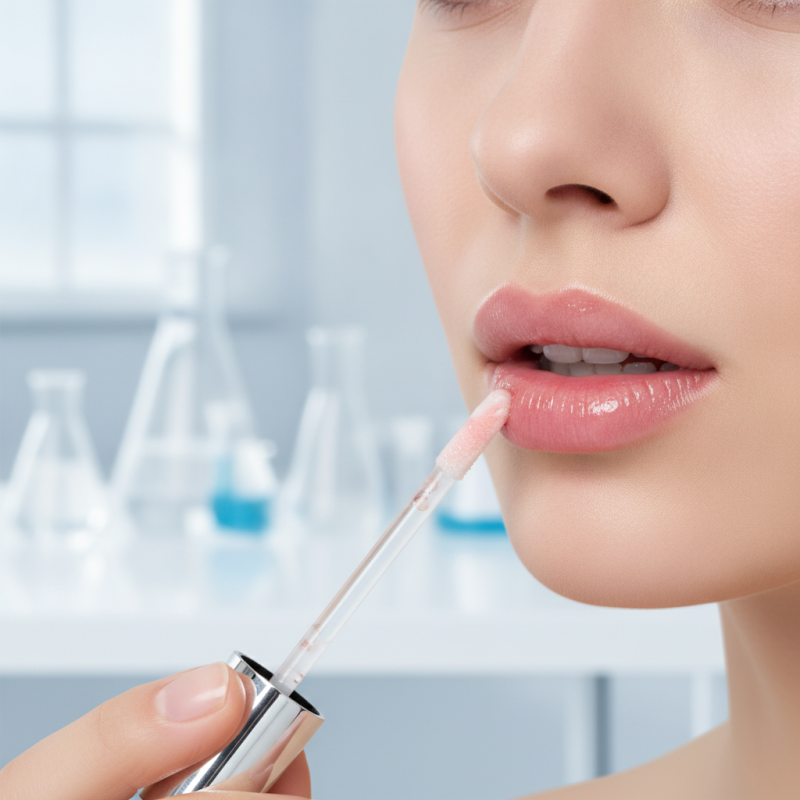
Top Tips to Keep Lip Gloss from Being Sticky?

Understanding the Causes of Sticky Lip Gloss and Ingredients Involved

Sticky lip gloss can be frustrating. Understanding the causes can help you choose better products. One common culprit is high levels of certain oils and waxes. Ingredients like castor oil can create a thick texture, leading to stickiness. In contrast, lighter oils, such as jojoba or grapeseed, offer moisture without that tacky feel.

The formulation of lip gloss is crucial. Many glosses use synthetic ingredients that can feel sticky on the lips. Even the color additives can affect the gloss's texture. Fragrance is often added but may not be skin-friendly for everyone. It can irritate and make the gloss feel heavier.

If your favorite gloss becomes sticky, check the ingredients. Sometimes, how you store it matters too. Exposure to heat can change the texture, making it less pleasant to use. Recognizing these aspects can enhance your lip gloss experience. Stay informed about what you’re applying. Being mindful helps you avoid unpleasant stickiness.

Top Tips to Keep Lip Gloss from Being Sticky

Tip Cause of Stickiness Recommended Ingredients
Use non-sticky formulas High levels of waxes Lightweight oils (e.g., jojoba oil)
Apply with a brush Over-application Silicone derivatives (e.g., dimethicone)
Stay hydrated Chapped lips Hyaluronic acid
Avoid heat and humidity Melting formulas Stable emulsifiers
Choose breathable options Oily lip products Natural waxes (e.g., carnauba wax)

Common Ingredients in Lip Gloss That Contribute to Stickiness

Lip gloss is popular for its shine. However, many users find it can be uncomfortably sticky. Understanding the common ingredients that contribute to this texture can help improve choices.


Many lip glosses contain petrolatum and some synthetic polymers. According to a report by the Personal Care Products Council, around 40% of lip gloss formulations use these ingredients. While they help seal in moisture, they can create that sticky feeling we often avoid. Additionally, high levels of waxes, like beeswax, can also contribute to this issue. A study indicated that products with over 15% wax tend to feel stickier.


Natural alternatives like shea butter or jojoba oil are gaining traction. These ingredients provide moisture without the sticky aftermath. Nevertheless, not all natural compounds are perfect. Some, like almond oil, can turn rancid, affecting quality. The challenge lies in balancing texture and performance, ensuring a comfortable wear while retaining that glossy shine.

Top Tips for Choosing Non-Sticky Lip Gloss Formulations

Choosing the right lip gloss can make a significant difference in your overall comfort and appearance. Non-sticky formulations are a must for a smooth finish. Look for products that feature natural oils like jojoba or almond oil. These ingredients provide hydration without the heavy, sticky feel. Consider glosses with lighter silicones as well, which help in creating that beautiful sheen without overwhelming stickiness.

Texture is key when selecting lip gloss. It’s important to pay close attention to the consistency. Glosses that are too thick often feel uncomfortable and can wear off unevenly. Test different textures on your lips or your hand before committing. You might discover that a gel formula delivers the non-sticky finish you prefer.

Sometimes, even the best products can feel sticky after prolonged wear. This can happen due to environmental factors like heat and humidity. Consider reapplying a thin layer of the gloss or using a lip balm underneath for added comfort. Reflecting on your choices can lead to finding a balance that suits your lips while keeping your look fresh.

The Role of Application Techniques in Creating a Smooth Finish

Applying lip gloss can often lead to a sticky finish if not done correctly. Understanding the right techniques can significantly enhance your application experience. One essential tip is to start with a smooth base. Exfoliate lips gently before applying gloss. This removes dead skin and creates an even surface. Dry, flaky lips often enhance stickiness.

Choose the right applicator for your needs. Soft doe-foot applicators can offer a precise application. However, using a lip brush can help distribute less product evenly across your lips. This can prevent those uncomfortable, sticky patches. When applying, use light, even strokes. Avoid layering too much gloss at once. A thin layer can allow for a smoother finish and less tackiness.

Finally, consider layering techniques. Instead of applying gloss directly, try a dab of balm first. This can provide hydration and a base that reduces stickiness. If you find your gloss still feels tacky, reflect on the amount you're using. Too much product will always lead to that annoying stickiness. A little trial and error with these strategies can lead to the perfect gloss application.

How Humidity and Environment Affect Lip Gloss Performance

Humidity can significantly impact lip gloss performance. According to a study by the American Society of Cosmetic Chemists, high humidity levels can cause certain glosses to feel stickier. When the air is saturated with moisture, gloss molecules can interact differently with skin. This interaction may lead to a less pleasant wearing experience, prompting users to frequently reapply.

The environment plays a crucial role as well. Extreme temperatures can alter the viscosity of lip gloss. A report from the Journal of Cosmetic Science highlighted that gloss in warmer conditions tends to become more slippery, while cooler climates can make it thicker. Users should be mindful of the conditions when applying lip products. A glossy finish may seem appealing, but humidity can compromise that idea, bringing about an unwanted sticky texture.

While some formulations aim to counteract these issues, they aren’t foolproof. Certain ingredients can enhance glossiness but might also contribute to stickiness in high-humidity scenarios. Keeping lip gloss in a climate-controlled environment can help. Yet, many consumers do not consider these factors until it's too late. Adjusting our approach could lead to a better experience overall.

FAQS

: What causes sticky lip gloss?

: High levels of certain oils and waxes can lead to stickiness.

Which oils should I look for in a lip gloss?

Natural oils like jojoba or grapeseed are good choices for avoiding stickiness.

How do synthetic ingredients affect lip gloss?

Synthetic ingredients often contribute to a sticky texture on the lips.

Can heat affect my lip gloss?

Yes, exposure to heat can change the texture and make it stickier.

What should I do if my gloss feels sticky?

Check the ingredients and consider reapplying or using lip balm underneath.

Why is texture important when choosing lip gloss?

The consistency affects comfort; thick glosses may feel uncomfortable and wear unevenly.

How can I test lip gloss before purchasing?

Apply different textures on your lips or hand to see which one feels best.

What happens to gloss in high humidity?

High humidity can lead to increased stickiness during wear.

Should I avoid products with fragrance?

Yes, fragrance can irritate some skin types and may add to stickiness.

How can I maintain a fresh look with longer wear?

Consider applying a thin layer of gloss or a base like lip balm.

Conclusion

Lip gloss is a beloved beauty staple, but stickiness can be a common issue. Understanding how to keep lip gloss from being sticky starts with recognizing the ingredients that contribute to this problem, such as certain waxes and oils. By choosing non-sticky formulations, which are often lighter and contain hydrating components, you can achieve a comfortable wear.

Additionally, application techniques play a crucial role; using a lip brush or applying a thin layer can help create a smoother finish. It's also important to consider environmental factors, as humidity can exacerbate stickiness. By combining these knowledge areas, you can enjoy glossy lips without the discomfort of stickiness.

Oliver

Oliver

Oliver is a seasoned marketing professional with a wealth of expertise in driving brand awareness and engagement. With a deep understanding of our company's product offerings, he consistently delivers high-quality content that enriches our professional blog. His insights not only shed light on......