Peeling lips can be a frustrating experience. Many people turn to lip balm for relief, only to find themselves asking, "why are my lips peeling from lip balm?" This common issue often leaves users confused and disappointed. Understanding the reasons behind this phenomenon requires a closer look at the ingredients in lip balms and how they interact with your skin.
Some balms contain additives that can dry out the lips over time. Fragrance, preservatives, and certain oils might sound appealing, but they can cause irritation. This irritation could lead your lips to peel rather than heal. Even balms labeled as "natural" may not be as gentle as you expect. It's essential to evaluate the products you apply regularly.
Additionally, a lack of hydration is a critical factor. Relying solely on lip balm without drinking enough water can contribute to lip dryness. Reflecting on your habits can lead to better choices. Understand your unique skin needs and consult with a dermatologist if necessary. Awareness is key to maintaining healthy, smooth lips.
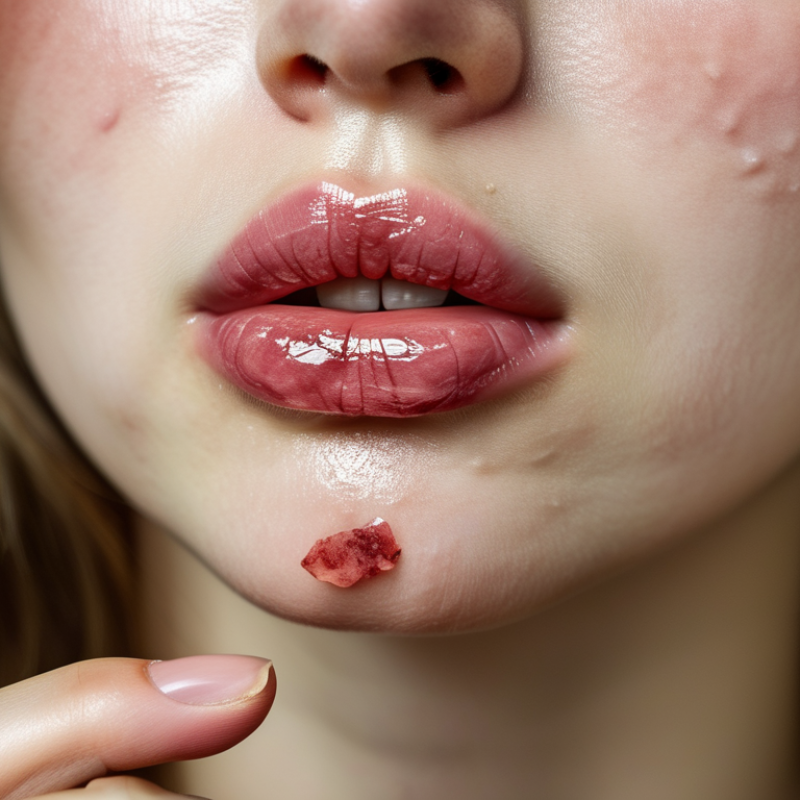
Understanding Lip Peeling: Causes and Effects
Peeling lips can be a frustrating experience, especially after using lip balm. Understanding the causes is essential. According to dermatological studies, common causes of lip peeling include dehydration, allergic reactions, and even certain ingredients in lip balms. For instance, some products contain irritants or occlusives that can trap moisture, leading to dryness over time, rather than hydrating the lips.
People often overlook common factors related to their environment. Dry weather and sun exposure are significant contributors to lip peeling. A study published in the Journal of Dermatology noted that up to 25% of individuals experience lip dryness from environmental factors alone. Ensuring adequate hydration and practicing sun protection can help combat this problem.
Tips to keep lips healthy include drinking plenty of water daily and choosing lip balms with natural ingredients. It's also wise to avoid frequent licking of lips, as saliva can further irritate the skin. If irritation persists, consider consulting with a dermatologist. Over time, one must reflect on their lip care routine and modify it to maintain better lip health. Small changes can yield significant results.
The Role of Lip Balm Ingredients in Lip Health
Many people assume lip balm will solve all lip issues. However, some ingredients can cause peeling. Ingredients like menthol and certain fragrances may irritate sensitive lips. This irritation can lead to dryness and flakiness, making the problem worse instead of better.
Natural oils are common in lip balms. While they can be beneficial, not all oils are created equal. Some oils might not provide enough hydration. This can leave lips feeling dry, especially in harsh weather. It's essential to check ingredient lists carefully. Some popular ingredients, like petroleum jelly, create a barrier but can trap moisture without adding it.
Using lip balm too frequently can also contribute to dependency. Lips may lose their natural ability to retain moisture. This can create a cycle of relying on balm while your lips actually need a break. Listening to your body's needs is key. Consider using minimal products to find what works best for your unique lip health.
Common Allergens and Irritants in Lip Balms
Lip balms are often seen as a solution for dry, chapped lips. However, some users experience peeling after applying these products. This can be attributed to various allergens and irritants commonly found in lip balms. For instance, fragrances and certain preservatives may cause allergic reactions. According to a study by the American Contact Dermatitis Society, nearly 15% of individuals report a reaction to these common allergens.
Common ingredients that trigger reactions include menthol, peppermint oil, and artificial colors. These components can cause irritation and dryness instead of relief. A report from the Journal of the American Academy of Dermatology noted that up to 30% of individuals using lip balms experience localized dermatitis. This shows how prevalent the issue of irritation from lip care products really is.
Additionally, some formulations contain drying agents like alcohol. While these ingredients may provide short-term relief, they can worsen existing dryness. Users might feel better initially but often face peeling over time. Seeking products with fewer potentially harmful ingredients is crucial. Analyzing the ingredient list carefully may lead to more satisfying results and mitigated reactions.
Improper Lip Balm Application Techniques
Using lip balm should provide relief, but improper application can lead to peeling lips. Many people apply a thick layer, thinking it will be more effective. However, this can create a barrier, trapping moisture but also leading to irritation. According to the American Academy of Dermatology, overuse or incorrect application can disrupt the natural lip barrier.
A study from the Journal of Dermatological Treatment found that nearly 30% of participants experienced lip discomfort due to wrong application methods. Many forget to exfoliate their lips before applying, which can prevent moisture from penetrating the skin effectively. Applying lip balm on dry, flaky lips might only seal in that dryness, leading to a cycle of peeling.
Moreover, some individuals may apply lip balm too frequently, believing it to be harmless. The skin can become reliant on these products, which may cause the lips to lose their natural hydration. A proper technique involves a light touch, and allowing the balm to absorb naturally. Reflecting on this may help many reconsider their routine.
Why Are My Lips Peeling After Using Lip Balm?
Alternatives to Lip Balm for Moisturizing Lips
Many people rely on lip balm to keep their lips moisturized. However, some users experience peeling after use. This can be frustrating and may indicate that traditional lip balms are not effective for everyone. In light of this, exploring alternatives to lip balm can be beneficial.
One effective option is using natural oils. Coconut oil, for instance, is known for its moisturizing properties. A study published in the Journal of Cosmetic Science found that coconut oil improves skin hydration. Similarly, almond oil contains vitamins that can nourish and hydrate the lips. Consider applying a thin layer of these oils overnight for optimal results.
In addition to oils, honey serves as a natural humectant. It attracts moisture and can be used as a lip mask. Honey has antimicrobial properties, which can also aid in healing chapped lips. If you’re looking for a thicker balm-like texture, try shea butter. This natural product is rich in fatty acids and doesn’t just lock in moisture; it promotes skin barrier repair.
Tips: Always do a patch test before trying new products. Observe how your lips react over a week. Stay hydrated by drinking sufficient water throughout the day. Additionally, consider using a humidifier in dry environments to maintain lip hydration.
FAQS
: Common causes include dehydration, allergic reactions, and certain lip balm ingredients.
Dry weather and sun exposure can significantly contribute to lip peeling.
Drinking plenty of water daily is essential for maintaining lip hydration.
No, some ingredients like menthol can irritate sensitive lips and worsen dryness.
Thick application can trap moisture and lead to irritation, causing peeling.
Yes, exfoliating before applying lip balm helps moisture penetrate effectively.
Yes, overuse may cause dependency, leading to reduced natural hydration.
Licking lips can irritate the skin and exacerbate dryness.
Check ingredient lists carefully. Opt for products with natural ingredients.
Reflect on your current routine and make small changes for better results.
Conclusion
Lips can often peel after using lip balm due to several reasons, which can be explored to answer the question: "why are my lips peeling from lip balm?" Understanding the underlying causes is essential, as factors such as the ingredients in lip balms, which may include allergens or irritants, can contribute to peeling.
Additionally, improper application techniques may exacerbate the issue, leading to a lack of moisture rather than providing the intended relief. To maintain healthy lips, it's important to consider alternatives to traditional lip balms, such as natural oils or ointments, that may offer better hydration without the adverse effects of common lip balm ingredients. By addressing these factors, users can better understand their lip health and find effective solutions to prevent peeling.
